


Office Space for Rent in Campus Workspaces: Why Experiences Are Better When Shared
In recent years, the idea of what defines a workplace has undergone a quiet yet powerful transformation. The traditional office, once viewed as a static space defined by desks, cabins, and conference rooms, is gradually giving way to something more dynamic and human-centric. Today, professionals are not just searching for functionality when they look for an office space for rent in Campus Workspaces. They are seeking environments that foster interaction, spark collaboration, and support both professional and personal growth.
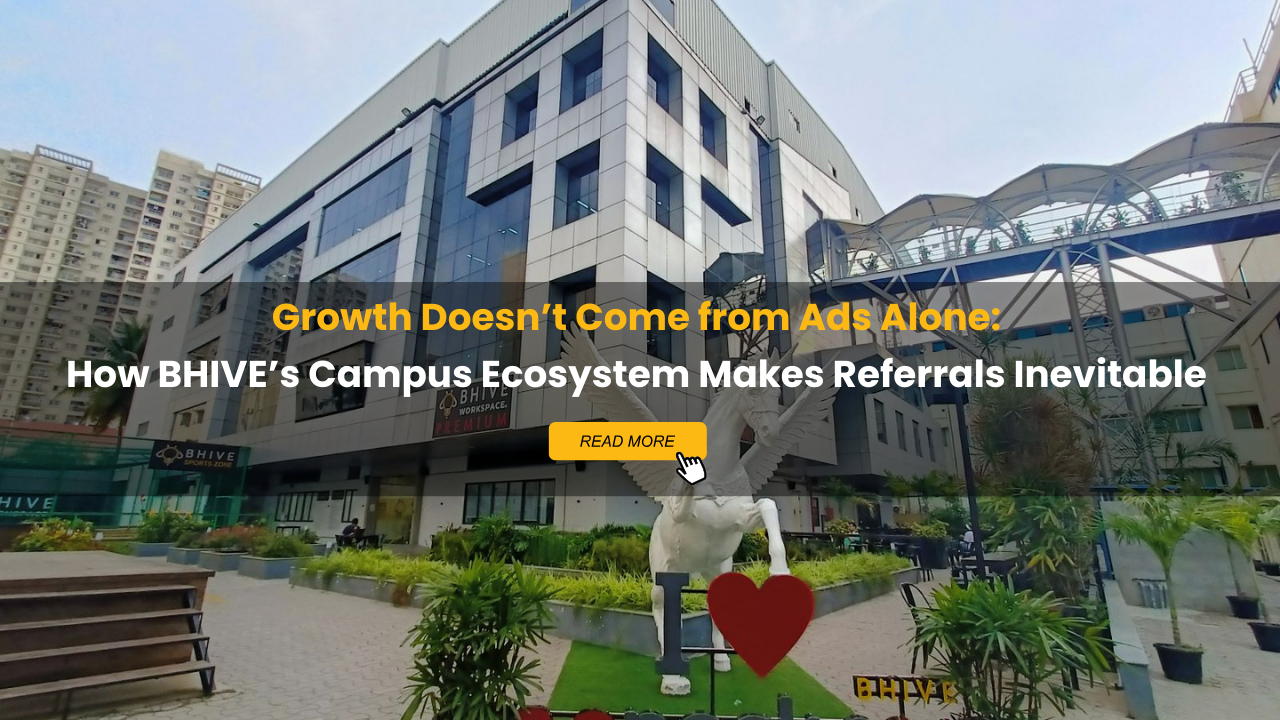
At spaces like BHIVE Platinum Church Street, the campus model reflects this shift in workplace thinking. It is built around the belief that workplaces function best when they are experienced collectively rather than individually. The campus environment encourages professionals to connect, exchange ideas, and grow together, making the workspace feel less like a location and more like a thriving professional ecosystem.
The strength of this model lies in its organic growth. Communities flourish when they are built through trust, shared experiences, and genuine connections. Referral-driven initiatives such as Refer & Win naturally become part of this ecosystem, allowing members to introduce peers, colleagues, and collaborators into an environment they already value. The result is a workplace that grows not through aggressive promotion but through authentic advocacy
The Campus Workspace Model: More Than Just Infrastructure
When businesses explore options for an Office Space for rent in Campus Workspaces, they are often drawn initially by premium infrastructure, flexible configurations, and strategic locations. While these factors remain essential, they only scratch the surface of what campus workspaces offer.
A campus workspace is designed as an integrated environment where different professional and lifestyle elements coexist seamlessly. It combines work zones with collaborative areas, community spaces, wellness amenities, and networking platforms. This holistic design creates a setting where productivity and engagement naturally reinforce each other.
The difference becomes noticeable the moment professionals step into a campus environment. Instead of isolated office units operating independently, there is a visible flow of interaction across teams, industries, and functions. Conversations extend beyond boardrooms into lounge spaces, cafeterias, and event zones. This openness encourages the exchange of ideas and perspectives, which often leads to unexpected collaborations and partnerships.
From an organizational standpoint, campus workspaces also reduce operational complexity. Businesses can focus on growth and innovation while workspace providers manage infrastructure, operations, and community engagement. However, what truly differentiates the campus model is its ability to create an environment where professionals feel connected to something larger than their own teams.
Also Read: BHIVE’s Campus-led Workspace: Designing Workspaces Around People, Not Just Seats
Collaboration as a Natural Outcome of Shared Spaces
One of the strongest advantages of choosing an office space for rent in Campus Workspaces is the natural culture of collaboration it nurtures. Unlike conventional offices, where departments often operate in silos, campus workspaces encourage cross-functional interaction.
The physical design plays a major role in enabling this collaboration. Shared amenities, community events, and open interaction zones act as meeting points where professionals from diverse industries encounter each other. Over time, these casual interactions evolve into meaningful professional relationships.
Collaboration within campus workspaces extends beyond project partnerships. It includes knowledge sharing, mentorship opportunities, hiring collaborations, and vendor partnerships. For startups and growing companies, this ecosystem can significantly accelerate learning and growth. For established organizations, it offers fresh perspectives and access to innovative thinking.
What makes these collaborations particularly valuable is their organic nature. They are not forced through structured networking sessions alone but are built through daily interactions and shared experiences. The campus environment naturally breaks down professional barriers, encouraging professionals to exchange ideas more freely.
The Shared Energy That Defines Campus Work Culture
Workplace energy is an intangible yet powerful factor influencing productivity and satisfaction. In traditional offices, energy levels often remain confined within individual teams. Campus workspaces, however, create a shared sense of momentum that spreads across organizations.
Professionals working within a campus ecosystem often find themselves motivated by the collective drive around them. The presence of diverse teams working toward different goals creates an atmosphere of ambition and innovation. This shared energy fosters accountability, creativity, and enthusiasm, all of which contribute to a more engaging work experience.
Beyond productivity, campus workspaces also emphasize lifestyle integration. Access to wellness zones, recreational areas, and community events ensures that professionals can maintain balance without stepping away from their workspace environment. The integration of lifestyle and work elements reflects the evolving expectations of modern professionals, who increasingly value flexibility and well-being alongside career growth.
Networking as a Daily Experience, Not a Scheduled Activity
Networking has traditionally been associated with formal events and scheduled interactions. Campus workspaces redefine networking by making it a continuous and effortless process. Professionals interact naturally during coffee breaks, community events, and shared workspace activities.
This daily networking experience is particularly valuable in today’s interconnected business landscape. Companies often find opportunities for partnerships, talent acquisition, and client engagement within their immediate workspace ecosystem. For freelancers and entrepreneurs, campus environments provide access to a diverse professional network that would otherwise require significant time and effort to build.
The strength of networking within campus workspaces lies in the trust factor. Interactions are built over time through repeated engagement, which creates stronger and more reliable professional relationships. This trust becomes the foundation for collaborative growth and long-term partnerships.
Refer & Win: A Natural Extension of Organic Community Growth
Referral programs are not new in business environments. However, in campus workspaces, referral initiatives take on a more meaningful role. Programs such as Refer & Win are not simply promotional tools designed to increase occupancy. Instead, they serve as extensions of community-driven growth.
When professionals refer peers to campus workspaces, they are often motivated by their personal experiences within the environment. They introduce colleagues, partners, or friends to a workspace they genuinely believe adds value. This creates a ripple effect where the community expands while maintaining its cultural integrity.
Refer & Win initiatives encourage members to share their workspace experience with their professional networks. However, the success of these programs lies in the fact that referrals are rarely driven solely by incentives. They are driven by trust and satisfaction. Professionals naturally recommend environments where they feel productive, connected, and supported.
This organic referral-driven growth strengthens the campus ecosystem. Each new member adds fresh perspectives, industry expertise, and collaborative potential. Over time, the community evolves into a dynamic professional network where growth benefits every participant.
Suggested Read: The Easiest Way to Earn Big in HSR: Join the BHIVE Refer & Win Program
Shared Experiences Strengthen Professional Communities
One of the most compelling aspects of campus workspaces is their ability to create shared experiences. Whether it is attending community events, participating in workshops, or simply interacting in shared spaces, professionals develop a sense of belonging that extends beyond their own organizations.
Shared experiences play a crucial role in strengthening professional relationships. When individuals engage in collaborative learning, social interactions, and community activities, they build connections that are both professional and personal. These connections often translate into stronger teamwork, improved collaboration, and long-term partnerships.
Campus workspaces also create opportunities for professionals to celebrate milestones collectively. Product launches, business expansions, and professional achievements often become community moments rather than isolated organizational events. This sense of shared success reinforces the value of working within a collaborative ecosystem.
Why Professionals Bring Their Networks Into Campus Workspaces
Professionals rarely recommend a workspace unless they genuinely believe it enhances productivity and well-being. The decision to refer peers often stems from positive personal experiences and a desire to share those benefits with trusted networks.
Campus workspaces offer an environment where professionals feel supported, engaged, and inspired. The combination of infrastructure, community engagement, and networking opportunities creates a workplace experience that professionals are proud to recommend.
Referrals also strengthen professional relationships. Working alongside trusted colleagues, partners, or collaborators creates a more comfortable and productive environment. Teams can operate more efficiently when they share the same ecosystem, and professionals can expand their networks without stepping outside their workspace environment.
The Refer & Win initiative acknowledges and rewards this organic advocacy. It recognizes that the strongest communities are built when members actively contribute to their growth.
The Future of Workspaces Lies in Community-Led Growth
The demand for an office space for rent in Campus Workspaces reflects a broader shift in workplace expectations. Businesses and professionals are increasingly prioritizing environments that foster collaboration, flexibility, and community engagement.
Campus workspaces represent the future of workplace design because they align with these evolving expectations. They provide infrastructure while also creating opportunities for interaction, networking, and professional growth. More importantly, they grow through the participation and advocacy of their members.
Community-led growth ensures sustainability and cultural consistency. It allows campus workspaces to evolve naturally while maintaining the quality of their professional ecosystem. Referral initiatives play a crucial role in supporting this growth by enabling members to contribute directly to the expansion of their workspace community.
Conclusion
The concept of an office space for rent in Campus Workspaces has moved far beyond infrastructure and amenities. It represents a shift toward workplaces that prioritize collaboration, shared experiences, and community-driven growth. Campus environments create opportunities for professionals to connect, learn, and grow together, making work more engaging and fulfilling.
Programs such as Refer & Win reflect the organic nature of campus workspace expansion. They empower members to introduce peers into environments they value, strengthening the community while expanding professional opportunities. The success of campus workspaces lies in their ability to grow through people, not promotions.
For businesses and professionals seeking a workspace that combines productivity with community engagement, exploring campus workspace environments can be a transformative step. To discover how a campus-driven workspace can enhance your professional journey, visit the BHIVE website and explore workspace solutions designed around collaboration, flexibility, and shared growth.
Campus workspaces integrate infrastructure, community engagement, and lifestyle amenities into a single environment. Unlike traditional offices, they encourage collaboration, networking, and shared experiences across organizations.
Campus workspaces provide flexible infrastructure, reduced operational complexity, and access to professional communities that support collaboration, networking, and business growth.
Referral programs such as Refer & Win allow members to introduce peers into the workspace community while receiving incentives. More importantly, they strengthen professional networks and community culture.
Yes, campus workspaces support organizations of all sizes. Startups benefit from networking and learning opportunities, while established companies gain access to collaborative ecosystems and flexible workspace solutions.
Campus workspaces create daily opportunities for networking, collaboration, mentorship, and knowledge sharing. These interactions help professionals expand their networks and access new business opportunities.


Table of Content
- The Campus Workspace Model: More Than Just Infrastructure
- Collaboration as a Natural Outcome of Shared Spaces
- The Shared Energy That Defines Campus Work Culture
- Networking as a Daily Experience, Not a Scheduled Activity
- Refer & Win: A Natural Extension of Organic Community Growth
- Shared Experiences Strengthen Professional Communities
- Why Professionals Bring Their Networks Into Campus Workspaces
- The Future of Workspaces Lies in Community-Led Growth
- Conclusion