




Beyond Bengaluru: Emerging GCC Hotspots in India (Hyderabad, Chennai, and More)

Over the last two decades, India has steadily transformed into the global nerve centre for Global Capability Centres (GCCs). What began as back-office operations supporting multinational companies has now evolved into innovation hubs driving product development, R&D, analytics, and strategic decision-making. And at the heart of this transformation has always been Bengaluru.
For years, Bengaluru has been the default choice for companies setting up their India presence. The city built a reputation as a powerhouse of talent, technology, and infrastructure. But something interesting is happening now. While Bengaluru continues to dominate, new cities are stepping into the spotlight. Hyderabad, Chennai, Pune, and even emerging Tier-2 cities are rapidly gaining attention as strong alternatives for GCC expansion.
This shift doesn’t signal a decline in Bengaluru’s relevance. In fact, it reflects the maturity of India’s GCC ecosystem. Companies are no longer asking whether to set up in India. They are asking where within India they should grow next.
In this blog, we explore the rise of emerging GCC hotspots in India, why Bengaluru still leads the race, and how flexible, campus-style workspaces are shaping the next phase of GCC expansion.
The Evolution of GCCs in India
India’s GCC story is one of steady evolution. Early centres were largely cost-driven. Companies set up operations to handle support functions, customer service, and back-end processes. Over time, these centres began to take on more complex roles. Today, GCCs in India are responsible for building AI products, designing global platforms, managing cybersecurity, and leading innovation initiatives.
What has fueled this transformation is a combination of factors like a deep talent pool, strong engineering culture, cost efficiency, and a growing startup ecosystem. But perhaps the biggest driver has been confidence. Global companies now trust their India teams not just to execute but to lead.
As a result, India is no longer just a destination for support functions. It is becoming the strategic backbone for global operations.
And while Bengaluru continues to lead the GCC conversation, the rise of emerging GCC hotspots in India is creating a multi-city ecosystem that allows companies to scale more strategically.
Why Bengaluru Still Leads the GCC Landscape
Even as new cities gain traction, Bengaluru remains the gold standard for GCCs. It is not just about being first to the game. The city offers a combination that is difficult to replicate: a deep tech talent pool, a thriving startup culture, global connectivity, and a mature office ecosystem.
Nearly every major global technology company has a presence in Bengaluru. This concentration has created a powerful network effect. Talent flows easily, collaboration happens naturally, and innovation becomes a shared language.
What also makes Bengaluru unique is its ability to support scale. Companies don’t just launch small teams here. They build centres that grow from 50 employees to 500 and beyond within a few years.
At the same time, rising demand has led companies to look at complementary cities to manage growth, diversify risk, and access new talent pools. That’s where the next wave of emerging GCC hotspots in India comes into play.
Hyderabad: The Fastest-Rising Contender
If there is one city that has emerged as a strong second choice for GCCs, it is Hyderabad. Over the past decade, the city has quietly built a reputation as a tech and innovation hub.
Hyderabad offers a balanced combination of infrastructure, talent, and cost advantages. The presence of major technology parks, strong government support, and a growing base of engineering graduates has made it an attractive destination for global companies.
Many organizations now see Hyderabad as a natural extension to their Bengaluru operations. They set up primary teams in Bengaluru and expand into Hyderabad to support growth.
The city also benefits from relatively lower real estate costs and less congestion, which makes it easier for companies to scale large teams without the operational challenges that come with bigger metros.
Chennai: Engineering Depth and Stability
Chennai has always been known for its engineering strength. The city has a long-standing reputation in manufacturing, automotive, and IT services. Over time, this has translated into strong opportunities for GCCs, especially those focused on product engineering and industrial technology.
One of Chennai’s biggest advantages is stability. The workforce tends to be more rooted, leading to lower attrition rates compared to other tech cities. For companies looking to build long-term teams, this stability can be a major benefit.
Chennai also offers a strong academic ecosystem. The steady supply of skilled engineers continues to attract companies looking to build specialized teams.
As organizations move from pilot teams to large-scale operations, Chennai is increasingly becoming part of their expansion strategy.
Pune and Other Emerging Cities
Beyond Hyderabad and Chennai, cities like Pune are also gaining traction. Pune offers a strong mix of IT talent, educational institutions, and proximity to Mumbai. It has become particularly attractive for companies in fintech, SaaS, and automotive technology.
Other Tier-2 cities are slowly entering the conversation as well. While they may not yet compete with the major metros, they offer cost benefits and untapped talent pools. For companies thinking long-term, these cities present interesting opportunities for future expansion.
The emergence of multiple GCC hubs across India is a sign of maturity. Instead of being concentrated in one city, the ecosystem is spreading, becoming more resilient and diverse.
Why Companies Are Expanding Beyond One City
The rise of emerging GCC hotspots in India is not accidental. It is driven by strategy.
Companies today are thinking about scale, resilience, and talent diversification. By operating across multiple cities, they can tap into different talent pools and reduce dependency on a single location.
Another factor is speed. Setting up large offices with traditional infrastructure can take time and require significant investment. Organizations are increasingly looking for flexible, ready-to-move-in workspaces that allow them to start small and scale quickly.
This is where managed and campus-style workspaces are becoming a key part of the GCC story.
The Shift Toward Campus-Style Workspaces
Modern GCCs are not just looking for office space. They are looking for environments that support collaboration, innovation, and growth.
Campus-style workspaces offer something unique. They provide the scale and infrastructure of large corporate offices but with the flexibility of managed spaces. Teams can start with a smaller footprint and expand seamlessly as they grow.
This model is especially attractive for companies that are entering India for the first time. Instead of committing to large capital investments, they can validate their operations, build pilot teams, and scale in phases.
This phased expansion strategy has become one of the defining trends in the GCC landscape.
BHIVE and the Future of GCC-Ready Workspaces
As GCCs evolve, the need for infrastructure that supports rapid growth is becoming increasingly important. Companies are looking for workspaces that are not just functional but future-ready.
This is where campus-style, managed workspaces are playing a significant role. They provide the flexibility to scale from small teams to large operations without the friction of traditional office setups.
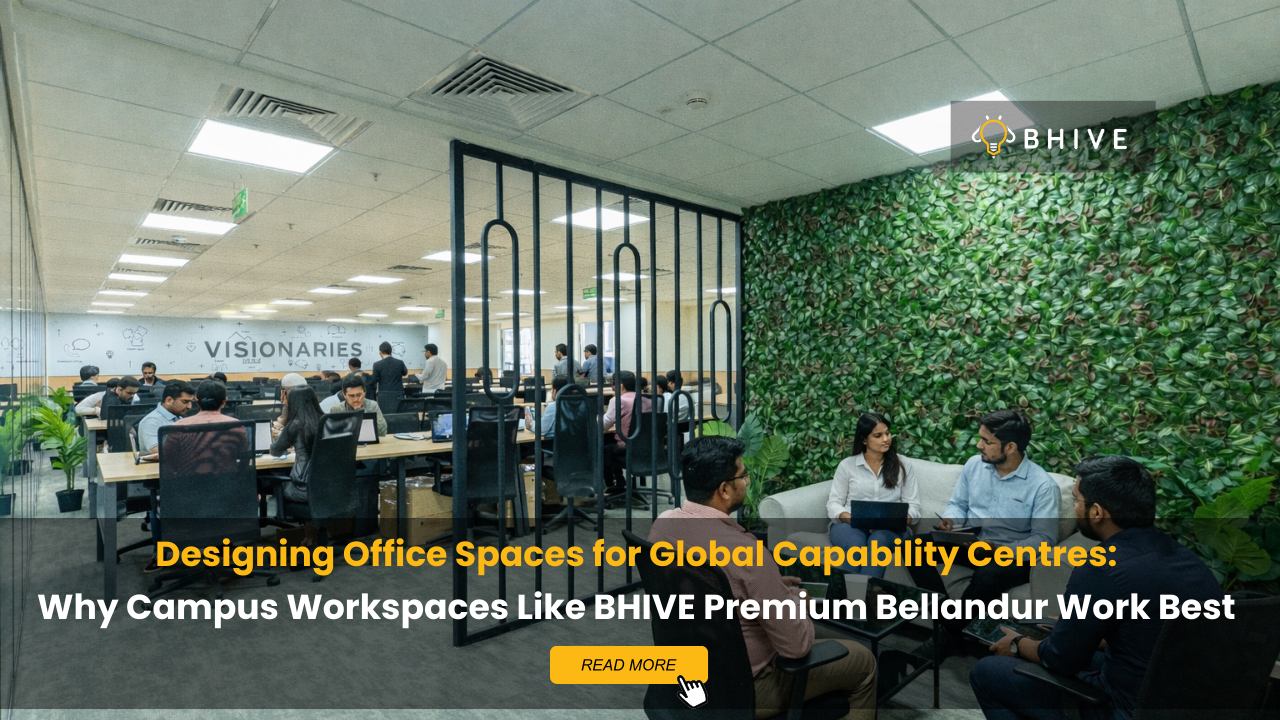
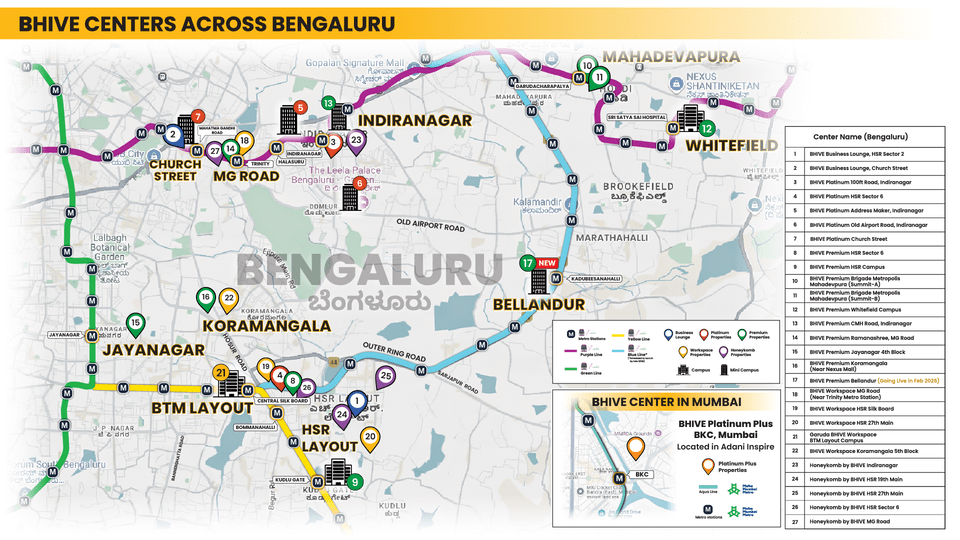
BHIVE has positioned itself as a GCC-ready workspace provider by offering campus-style environments designed for scale. With multiple campuses across Bengaluru, these spaces are built to support pilot teams, expansion phases, and long-term growth.
For global companies entering India, this approach removes many of the operational barriers. They can focus on building teams and driving innovation while the workspace infrastructure adapts to their needs.
In a city like Bengaluru, where demand for quality office space is high, having access to flexible, scalable environments makes a meaningful difference.
The Road Ahead for Emerging GCC Hotspots in India
The story of GCCs in India is still being written. Bengaluru will continue to lead, but the growth of cities like Hyderabad, Chennai, and Pune will shape the next phase of expansion.
We are moving toward a multi-city GCC model. Companies will not choose one city over another. Instead, they will build networks across locations, each serving a specific strategic purpose.
This approach allows organizations to access diverse talent pools, manage risk, and scale more efficiently.
At the same time, the demand for agile workspaces will continue to grow. As companies look to expand quickly and efficiently, workspace providers that offer flexibility and scale will become key partners in their journey.
Conclusion
India’s GCC ecosystem is entering a new era. While Bengaluru remains the centre of gravity, the rise of emerging GCC hotspots in India is creating new possibilities for growth and expansion.
Cities like Hyderabad and Chennai are strengthening their position as viable alternatives, offering talent, infrastructure, and scalability. Meanwhile, Pune and other growing cities are beginning to carve out their own niche.
For companies planning their India strategy, the focus is no longer just on location. It is about speed, flexibility, and the ability to scale without friction.
Campus-style managed workspaces are becoming an important part of this shift, helping organizations move from pilot teams to full-scale operations with ease.
If you are exploring opportunities to build or expand your GCC in Bengaluru, choosing the right workspace partner can make all the difference. Discover how BHIVE’s GCC-ready campus workspaces can support your growth journey. Visit the BHIVE website to learn more and take the first step toward building your future-ready India centre.
Emerging GCC hotspots in India refer to cities beyond Bengaluru that are gaining popularity among global companies for setting up capability centres. Hyderabad, Chennai, and Pune are among the leading cities attracting new GCC investments due to their strong talent pools and infrastructure.
Bengaluru continues to lead because of its deep technology talent base, startup ecosystem, global company presence, and mature infrastructure. It offers an environment where GCCs can grow quickly and innovate.
Organizations are expanding beyond one city to access diverse talent pools, manage operational risks, and scale efficiently. Multi-city strategies allow for more sustainable growth.
Managed workspaces allow companies to start small, avoid large upfront investments, and scale quickly as teams grow. They offer flexibility, infrastructure, and operational support.
Campus-style workspaces provide the scale, collaboration environment, and flexibility needed for growing teams. They allow companies to expand seamlessly while maintaining a cohesive work culture.

Table of Content
- The Evolution of GCCs in India
- Why Bengaluru Still Leads the GCC Landscape
- Hyderabad: The Fastest-Rising Contender
- Chennai: Engineering Depth and Stability
- Pune and Other Emerging Cities
- Why Companies Are Expanding Beyond One City
- The Shift Toward Campus-Style Workspaces
- BHIVE and the Future of GCC-Ready Workspaces
- The Road Ahead for Emerging GCC Hotspots in India
- Conclusion